
The Sleep Guide is the educational companion to the Noxuma Sleep app. It explains what the app observes at night, how to read the results, and where consumer measurement reaches its limits. Each card in the app links here for a fuller explanation and expert sources.
How Noxuma measures and how to read the data
What the sensor captures, what the algorithm estimates, and how to read results without overreading them.
A signal is not a result
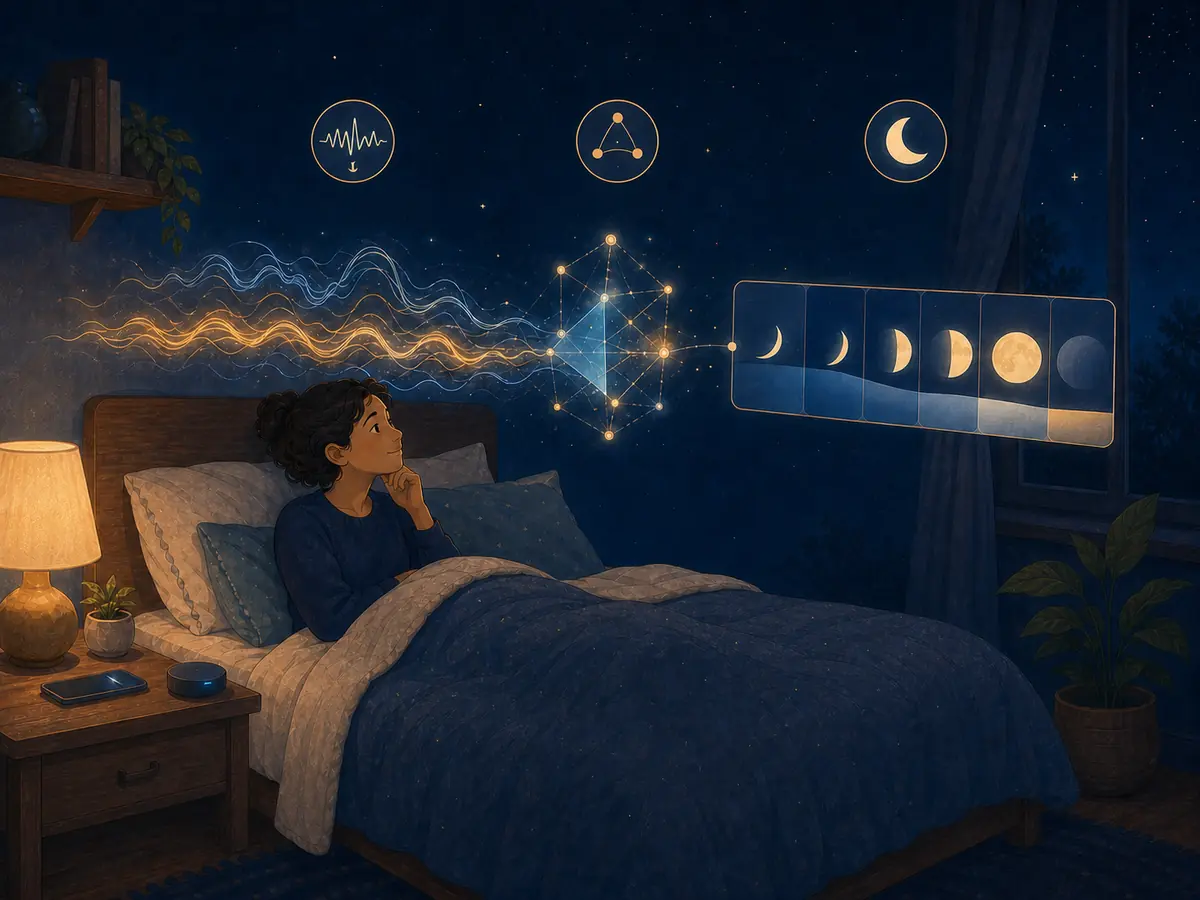
A sensor captures a signal. An algorithm then estimates sleep, wakefulness and sleep stages.
The microphone or Sleep Phaser first captures acoustic, movement or breathing features. Noxuma processes them into an understandable sleep timeline. A colored section of the graph is therefore not a direct measurement of brain activity, but a consumer estimate based on the available signal.
Treat one night as a record and look for patterns that repeat across several nights.
Noxuma is a wellness app. The result is not a clinical hypnogram or a diagnosis.
Sources AASM consumer sleep technology position statement
Reviewed:
What the microphone detects
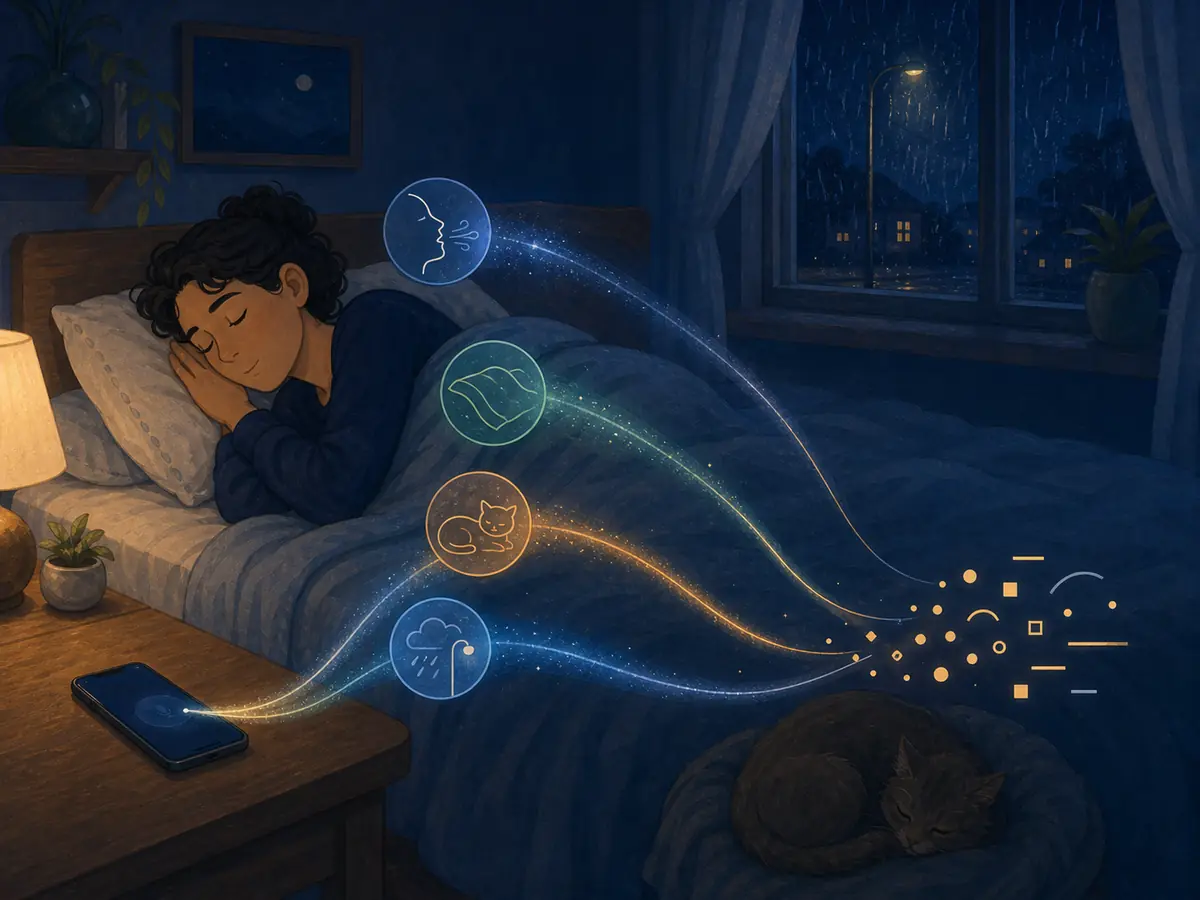
Noxuma looks for acoustic features related to movement, breathing and possible snoring.
The phone processes short acoustic features on the device. Under the current privacy design, raw audio is not written to disk and does not leave the phone. Room noise, a partner, a pet or phone placement can still affect the result.
Place the phone securely beside the bed as instructed and do not cover its microphone.
Sound classification can mistake one event for another. Possible snoring is not a confirmed medical event.
Sources Noxuma product privacy statement and current application behavior; implementation must preserve the actual current privacy behavior. — Noxuma privacy statement
Reviewed:
What actigraphy means
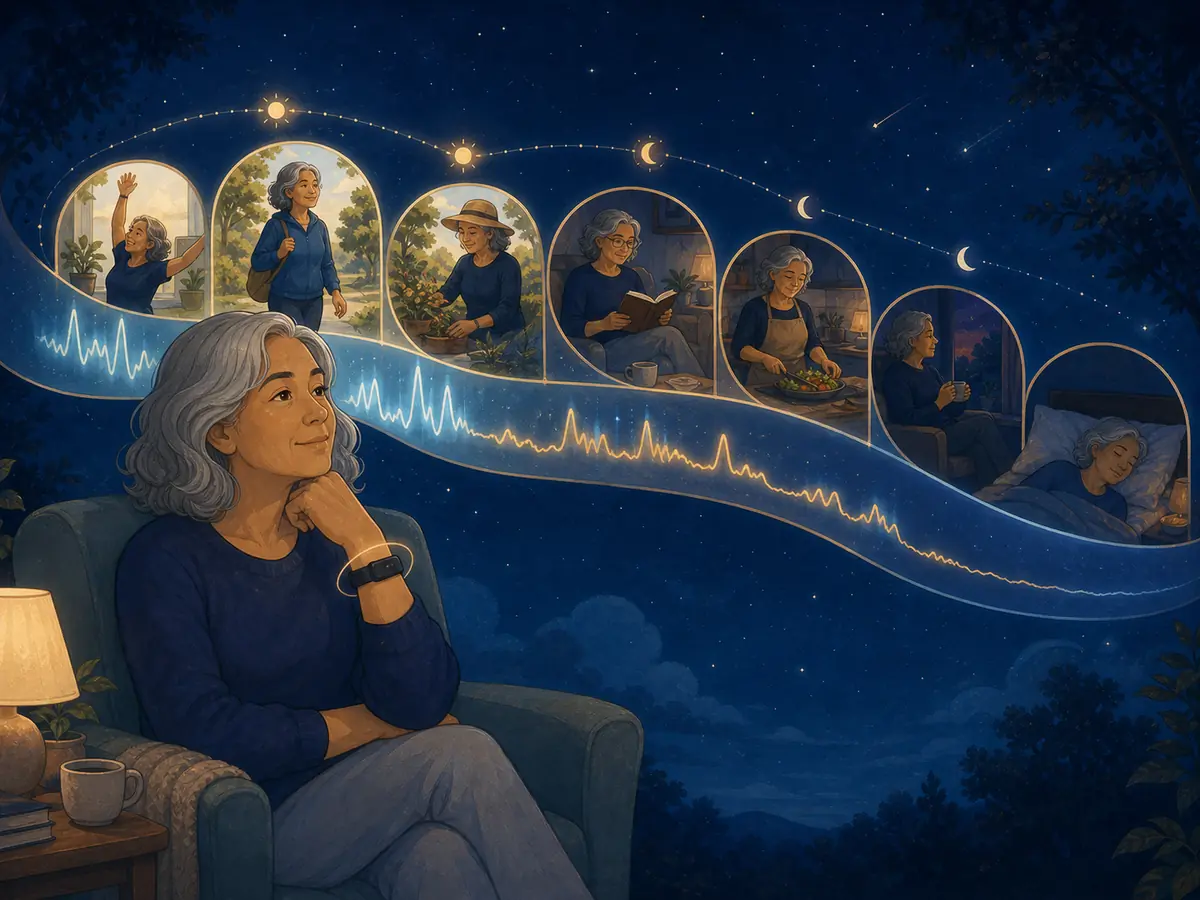
Actigraphy estimates sleep and wake patterns from movement recorded over time.
A traditional actigraph is usually a movement sensor worn on the wrist or ankle. It is most useful for sleep timing, duration and regularity across multiple days. Noxuma may show movement information from other sensors, but a microphone-based timeline is not traditional wrist actigraphy.
Use movement data mainly to compare timing and trends between nights.
Movement alone does not directly measure brain-defined sleep stages and does not replace polysomnography.
Sources AASM actigraphy guideline
Reviewed:
Quiet wakefulness can look like sleep
If you lie still and quiet, a sensor may estimate some wakefulness as sleep.
Movement-based and similar indirect methods generally recognize sleep better than quiet wakefulness. The graph may therefore show earlier sleep onset or less time awake than you remember. Your experience and the app record do not have to cancel each other out; they describe the night in different ways.
If you remember being awake for a long time, add it to your morning note and see whether the difference repeats.
The app must not imply that the user's remembered experience is wrong.
Sources Actigraphy-based assessment of sleep parameters
Reviewed:
One night is not a trend
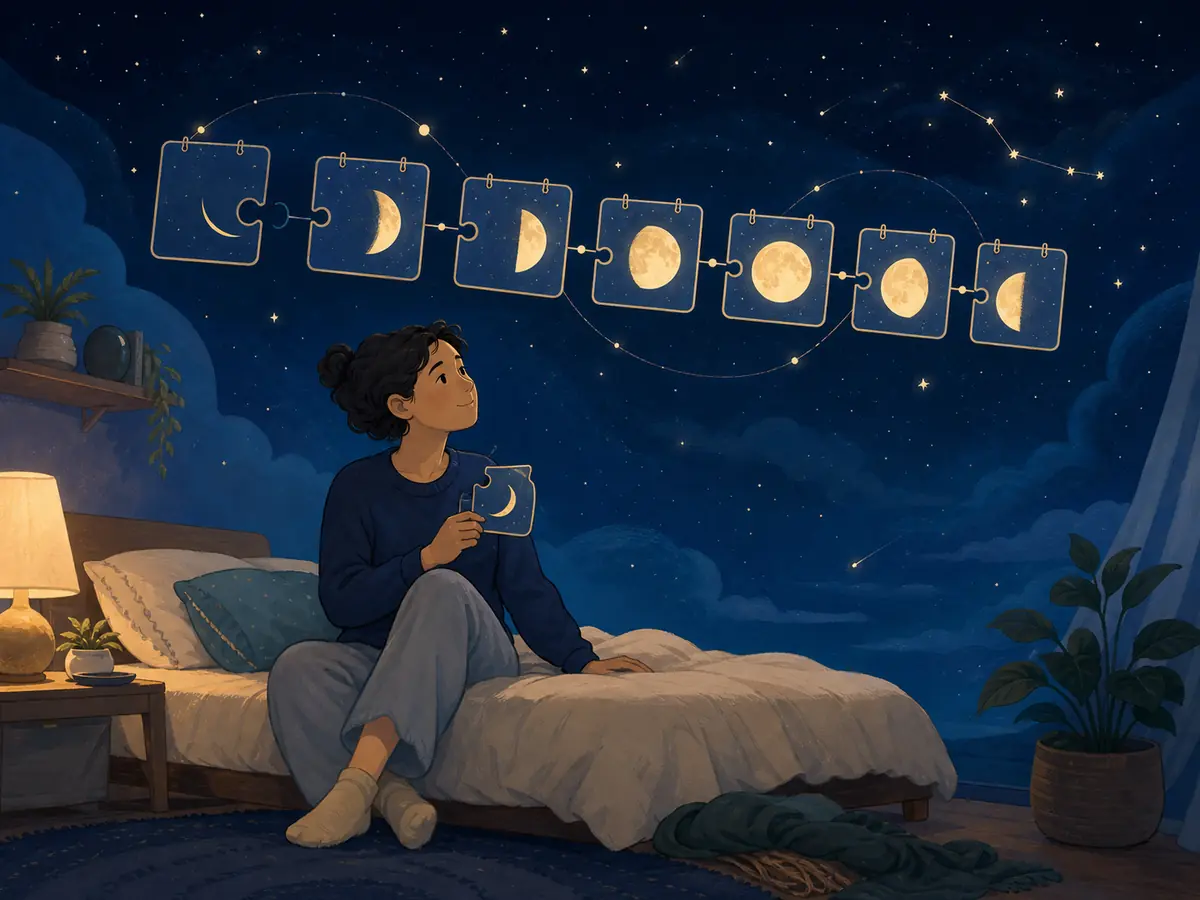
One unusual night is information, not a verdict on your sleep.
Stress, illness, noise, a late meal, alcohol, temperature or an unusual schedule can change one night. A more useful picture comes from several nights together with how you feel during the day.
Measure a few ordinary nights. Add a short note to an unusual night so you remember the context later.
One low result by itself does not mean a sleep disorder or worsening health.
Sources AASM patient guide to actigraphy
Reviewed:
Time in bed is not time asleep
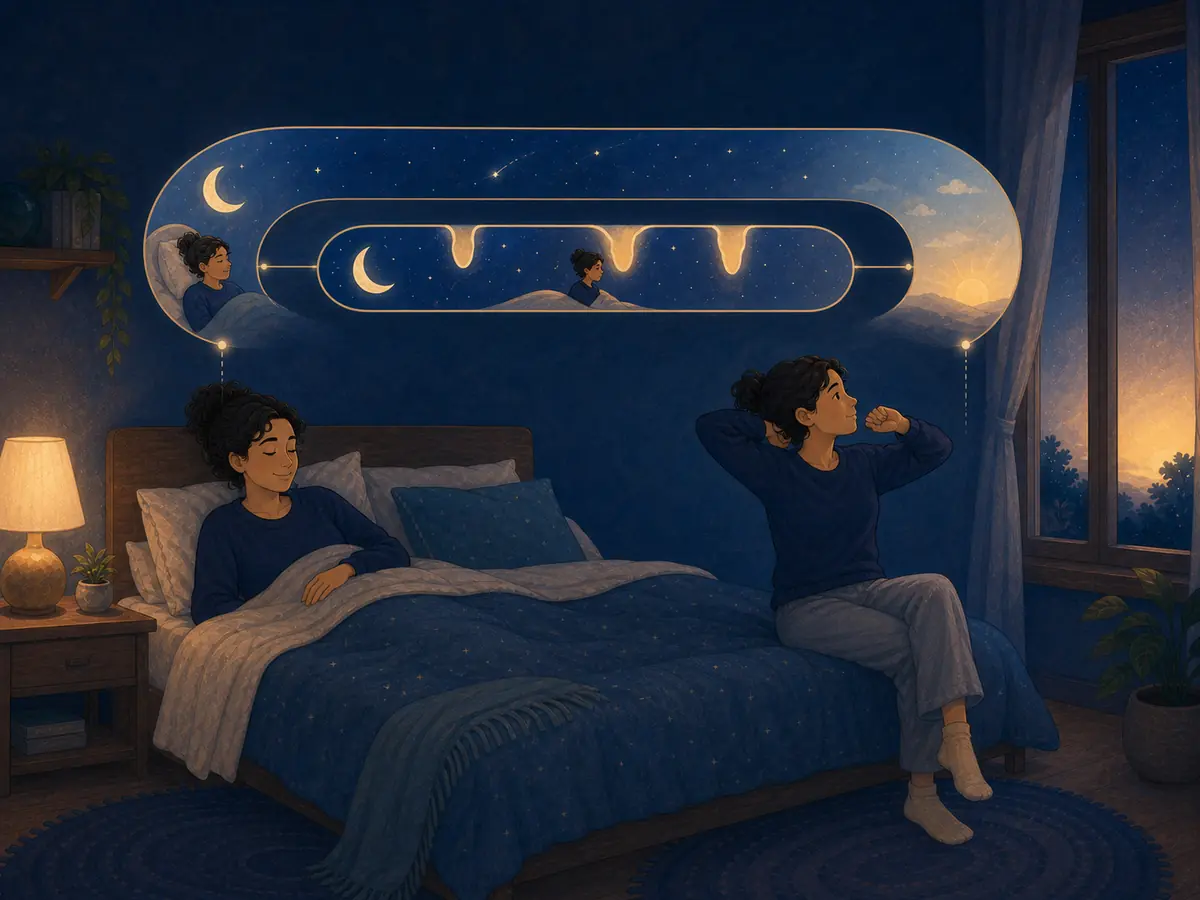
The sleep window covers the recording from start to finish. Estimated sleep may be shorter.
Time in bed includes falling asleep, wakefulness during the night and time before getting up. Estimated total sleep subtracts periods the algorithm classified as awake.
When comparing nights, look at sleep duration together with sleep timing, wake time and how you felt in the morning.
The difference depends on how well the sensor recognized quiet wakefulness.
Sources Actigraphy-based assessment of sleep parameters
Reviewed:
What sleep efficiency means
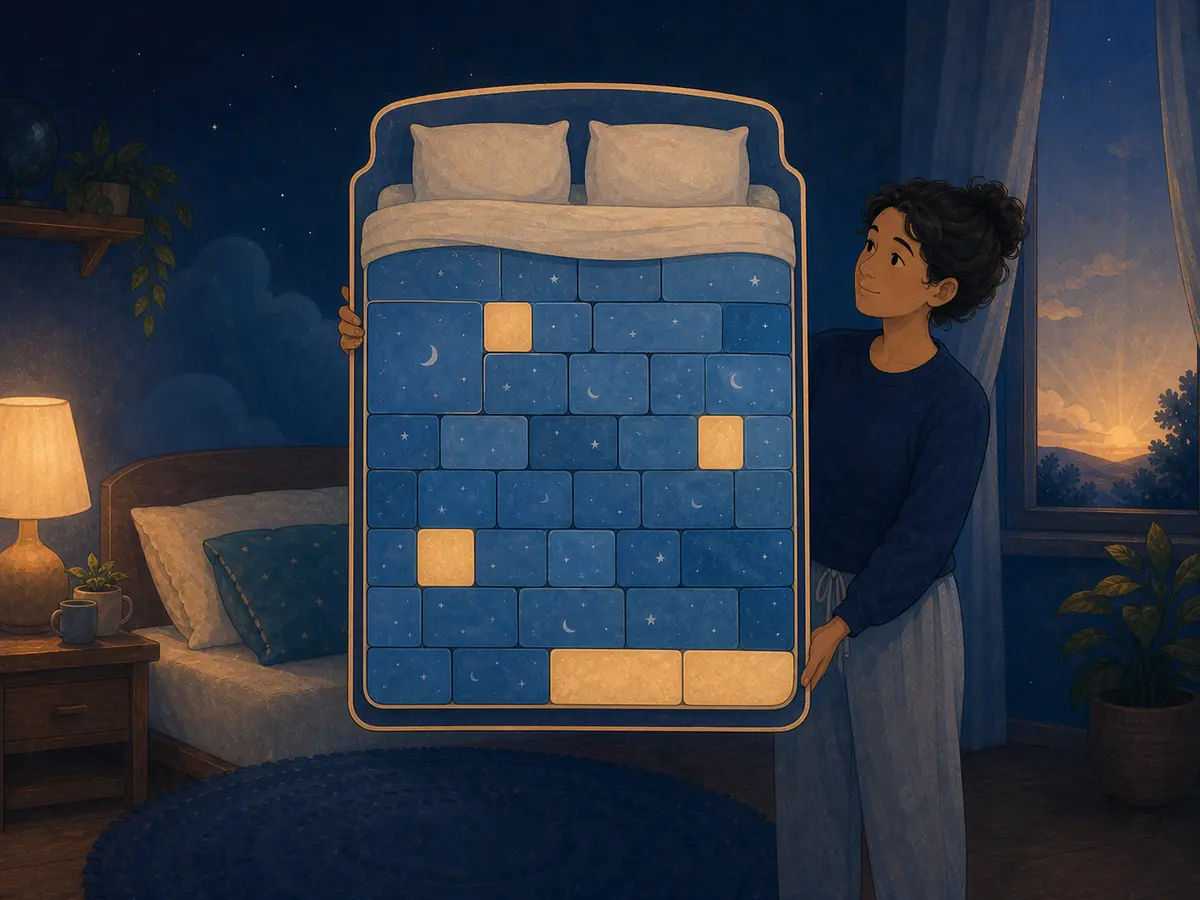
Sleep efficiency estimates how much of your time in bed was spent asleep.
It is usually calculated as estimated sleep divided by time in bed. It may decrease with longer sleep onset or wakefulness during the night. It is one part of the picture, not a standalone grade of sleep quality or health.
Compare your own trend and similar kinds of nights rather than one percentage with other people.
Noxuma must not label someone a good or bad sleeper from a single threshold.
Sources AASM actigraphy guideline
Reviewed:
How to read the sleep timeline

The graph estimates how wakefulness and lighter, deeper or REM sleep periods changed through the night.
Sleep naturally changes in cycles. Deeper NREM sleep is often more common earlier and REM later in the night, but an ordinary night does not follow a perfect pattern. Clinical stages use brain activity, eye movement and muscle tone; Noxuma estimates them indirectly.
Start with sleep timing, longer wake periods and the overall course of the night. Do not search for a perfect graph shape.
Individual colored sections are not clinically confirmed stages.
Sources NHLBI sleep phases and stages
Reviewed:
Deep sleep is not a contest

More estimated deep sleep does not automatically mean a better night.
The share of sleep stages changes between nights and with age. A consumer tracker also estimates rather than directly measures stages. Chasing a particular percentage can distract from duration, regularity and how you function during the day.
Follow the recurring pattern of your whole sleep and how rested you feel rather than a record for one stage.
The app must not recommend a universal target percentage for deep or REM sleep.
Sources NHLBI sleep phases and stages
Reviewed:
Sounds, snoring and the limits of measurement
What “possible snoring” means and when it is worth discussing with a professional.
What possible snoring means
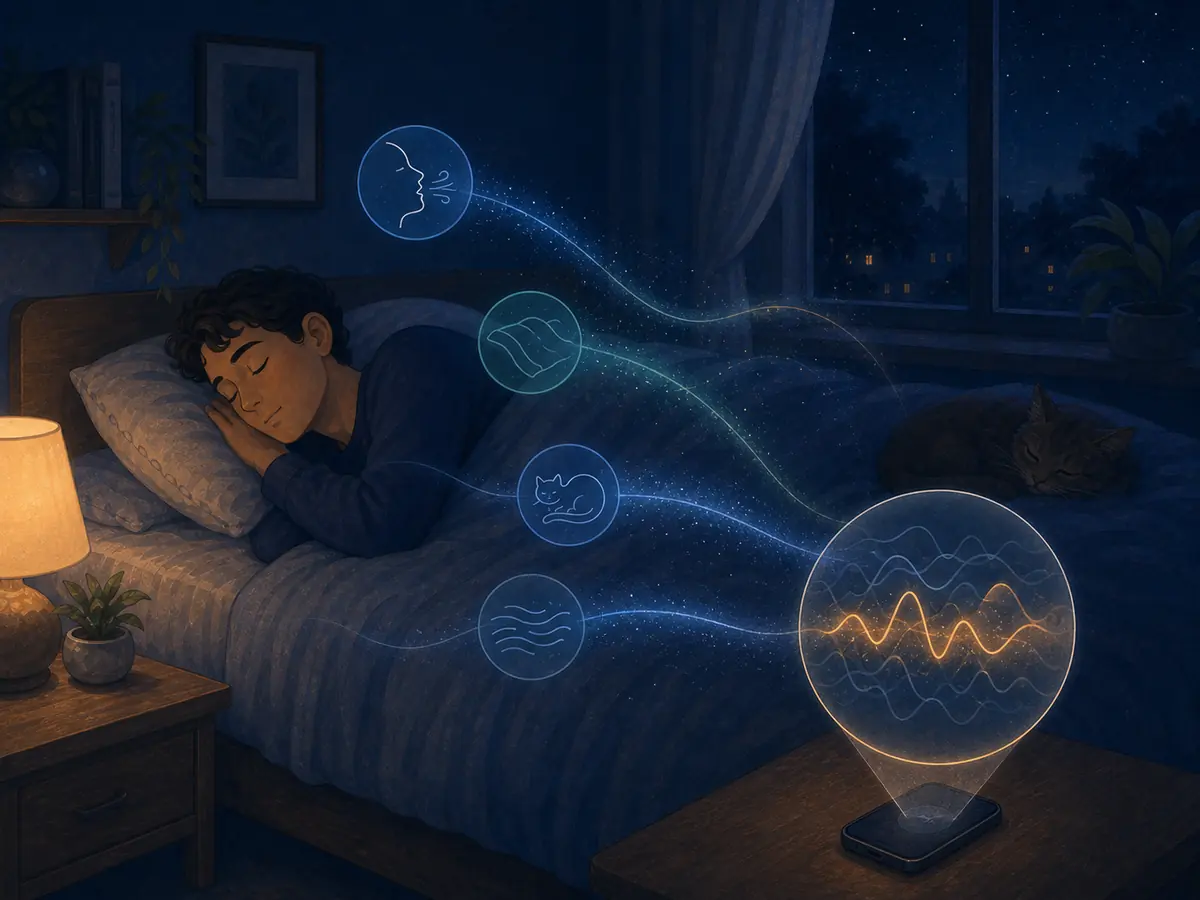
Noxuma recognized a sound resembling snoring. It is a clue, not a confirmed medical event.
Microphone classification can help reveal a recurring night-time pattern, but the sound may belong to a partner or be confused with room noise. Look across several nights and, if possible, ask someone sleeping nearby.
Note alcohol, congestion, an unusual position or illness and see whether the pattern repeats.
A sound count is not an AHI and cannot confirm or rule out sleep apnea.
Sources AASM advisory on consumer apps assessing sleep apnea risk
Reviewed:
When snoring needs attention
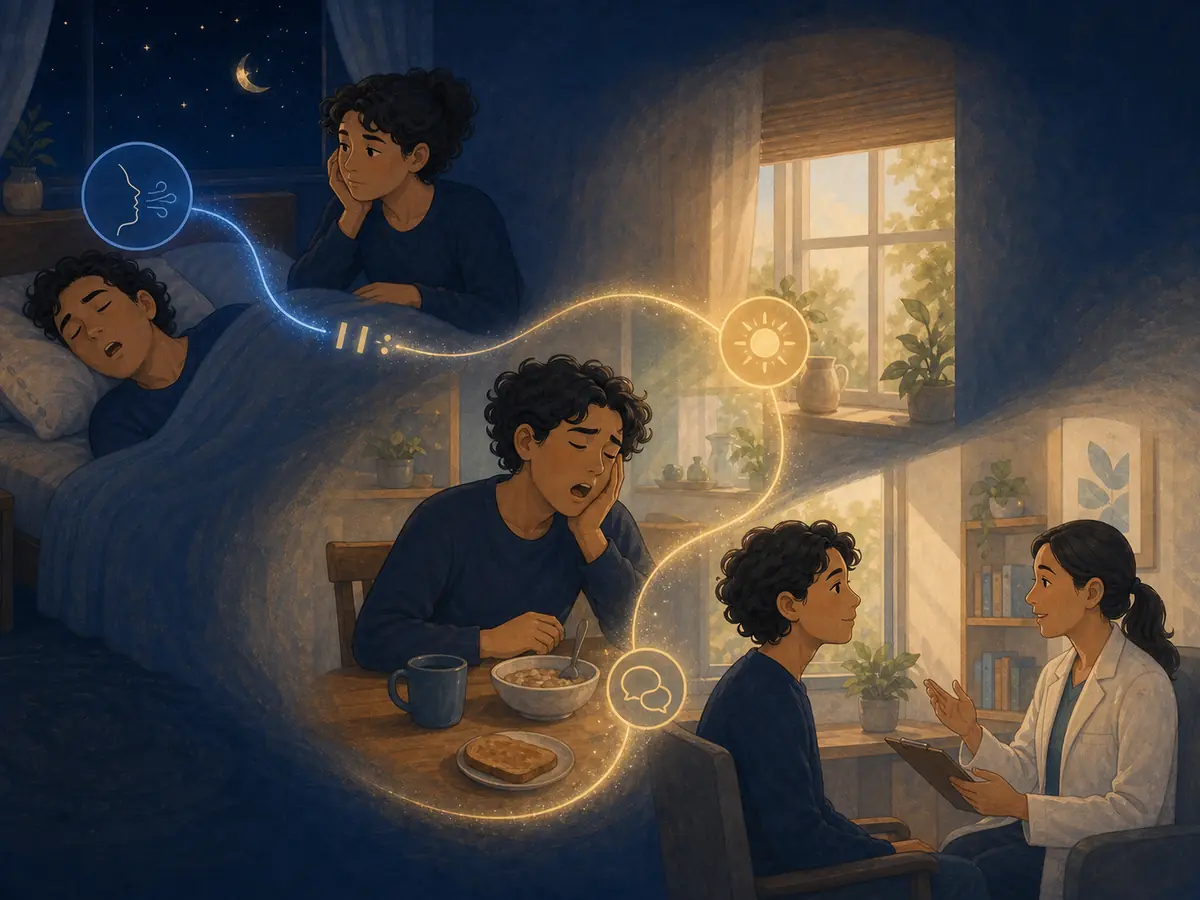
Breathing pauses, gasping and daytime sleepiness matter more than a sound count alone.
Snoring is common and not everyone who snores has sleep apnea. Pay attention when frequent loud snoring occurs together with witnessed breathing pauses, choking, gasping, morning headaches or marked daytime fatigue and sleepiness.
If someone notices breathing pauses or you feel dangerously sleepy during the day, speak with a healthcare professional. Do not drive or operate dangerous machinery when sleepy.
Noxuma cannot diagnose sleep apnea or confirm that you do not have it.
Sources NHLBI sleep apnea symptoms
Reviewed:
Simple things you can try
Safe, low-effort habits that help many people — no promises, no pressure.
Do not force sleep
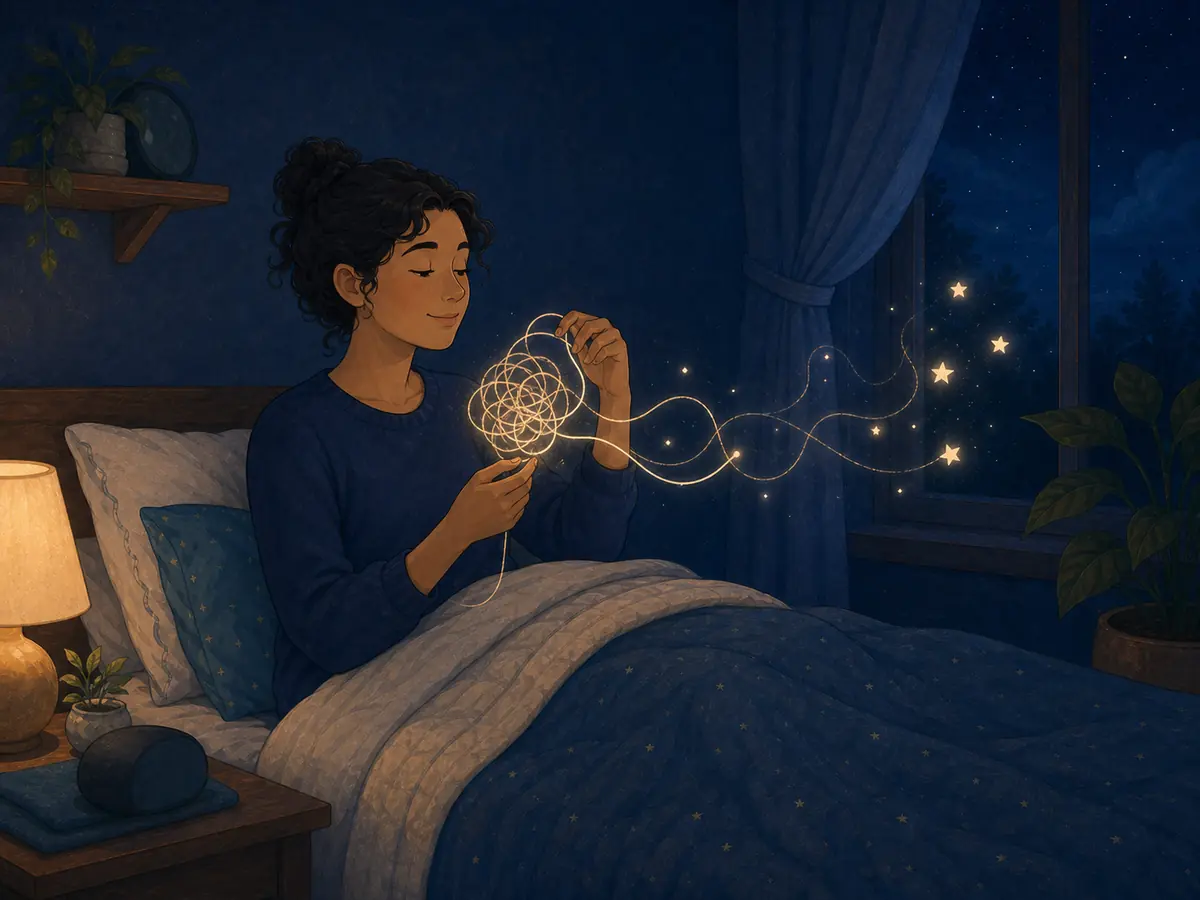
Sleep is not a performance. The more you check whether it is happening, the more alert you may remain.
Worrying about results, watching the clock and trying to create a perfect night can increase tension. Data should help reveal patterns, not become another task to complete in bed.
Leave result checking until morning. If sleep does not come immediately tonight, do not treat it as failure.
This card is not a treatment for persistent insomnia.
Sources Orthosomnia overview
Reviewed:
When sleep does not come
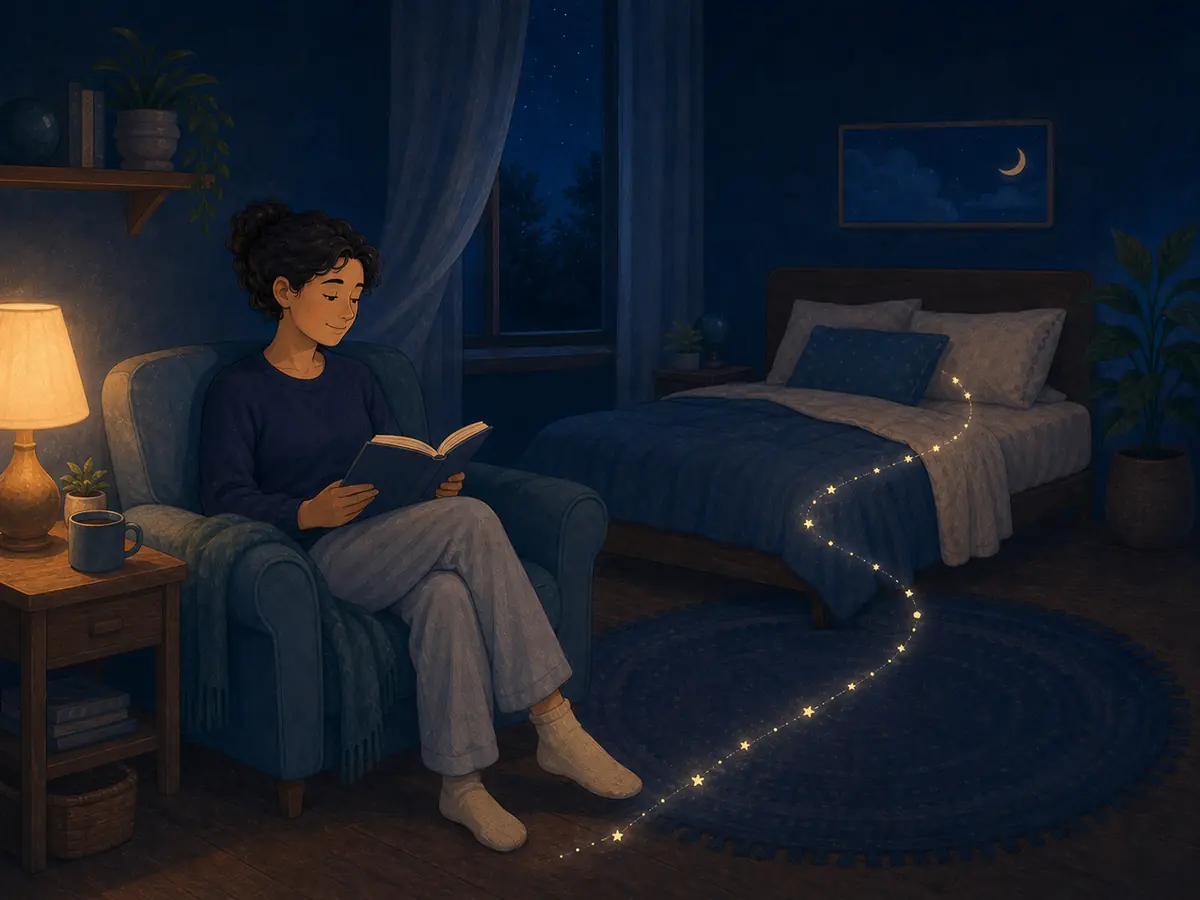
If tension is building in bed, leave for a while and return when you feel sleepy again.
Long periods awake and frustrated can link the bed with thinking and tension. Stimulus control, a component of CBT-I, helps reconnect the bed with sleep.
Move to a calm place with dim light. Do something undemanding and return when sleepy. Do not watch a timer or enforce an exact limit.
This single suggestion is not a full CBT-I program. If the problem repeats and affects your day, speak with a professional.
Sources AASM behavioral treatment guideline for chronic insomnia
Reviewed:
Keep a steady wake time
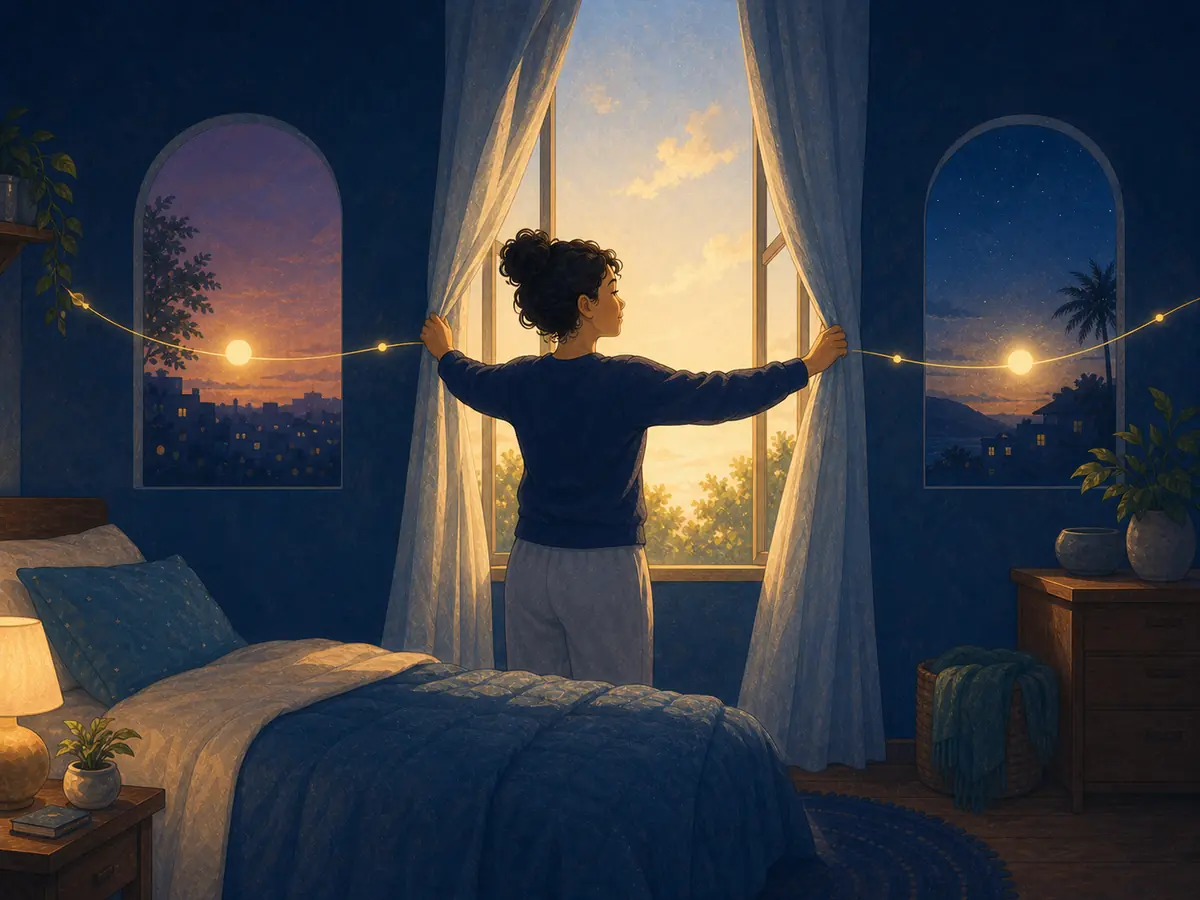
A regular morning supports your body clock better than forcing an exact sleep time every night.
Light, darkness and a regular daily schedule help synchronize circadian timing. Large shifts between workdays and days off can make the next sleep period harder.
Choose a realistic wake time and keep it roughly steady for several days. Seek daylight after waking.
Shift work, caring responsibilities, illness or other circumstances may make regularity impossible. The card must not judge the user.
Sources NHLBI healthy sleep habits
Reviewed:
Take a warm shower earlier
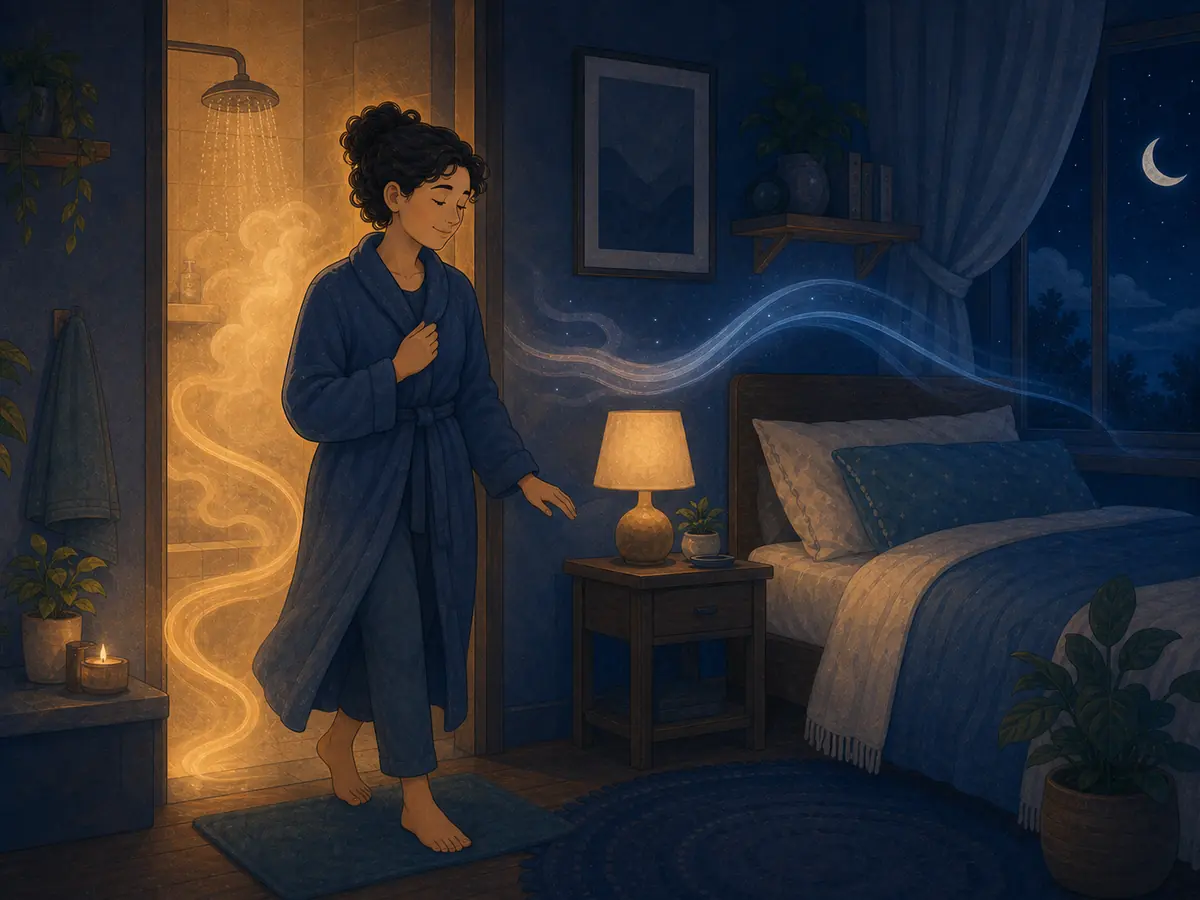
A warm shower or bath one to two hours before bed may help some people fall asleep.
After warming, the body releases heat through the skin. The following drop in core temperature may support the transition to sleep. Research suggests a benefit, but not everyone responds the same way.
Try at least ten minutes of comfortably warm water about one to two hours before your usual bedtime.
The water should not be uncomfortably hot. If you have impaired temperature regulation, dizziness or a fall risk, do not use this approach without professional advice.
Sources Warm bath or shower meta-analysis
Reviewed:
Caffeine has a dose and a time
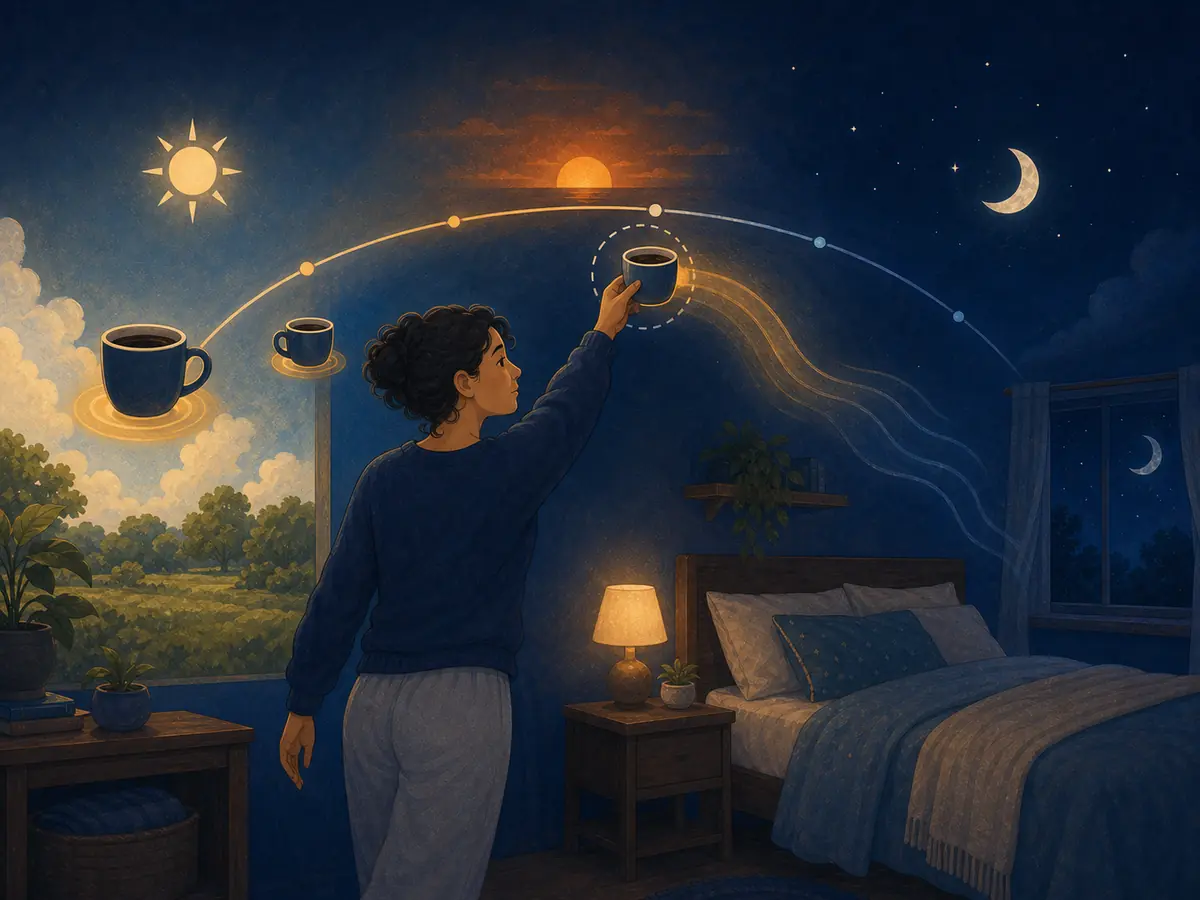
It is not only about the last coffee. Dose, timing and your sensitivity all matter.
A higher caffeine dose can affect sleep onset and sleep structure for many hours. People may not accurately notice the effect themselves. One universal cutoff therefore does not fit everyone.
If falling asleep is difficult, move your last caffeine earlier or reduce the afternoon dose. Change one thing and compare several nights.
The card must not prescribe the same ban or exact cutoff time to every user.
Sources Randomized caffeine dose and timing trial
Reviewed:
There is no magic temperature
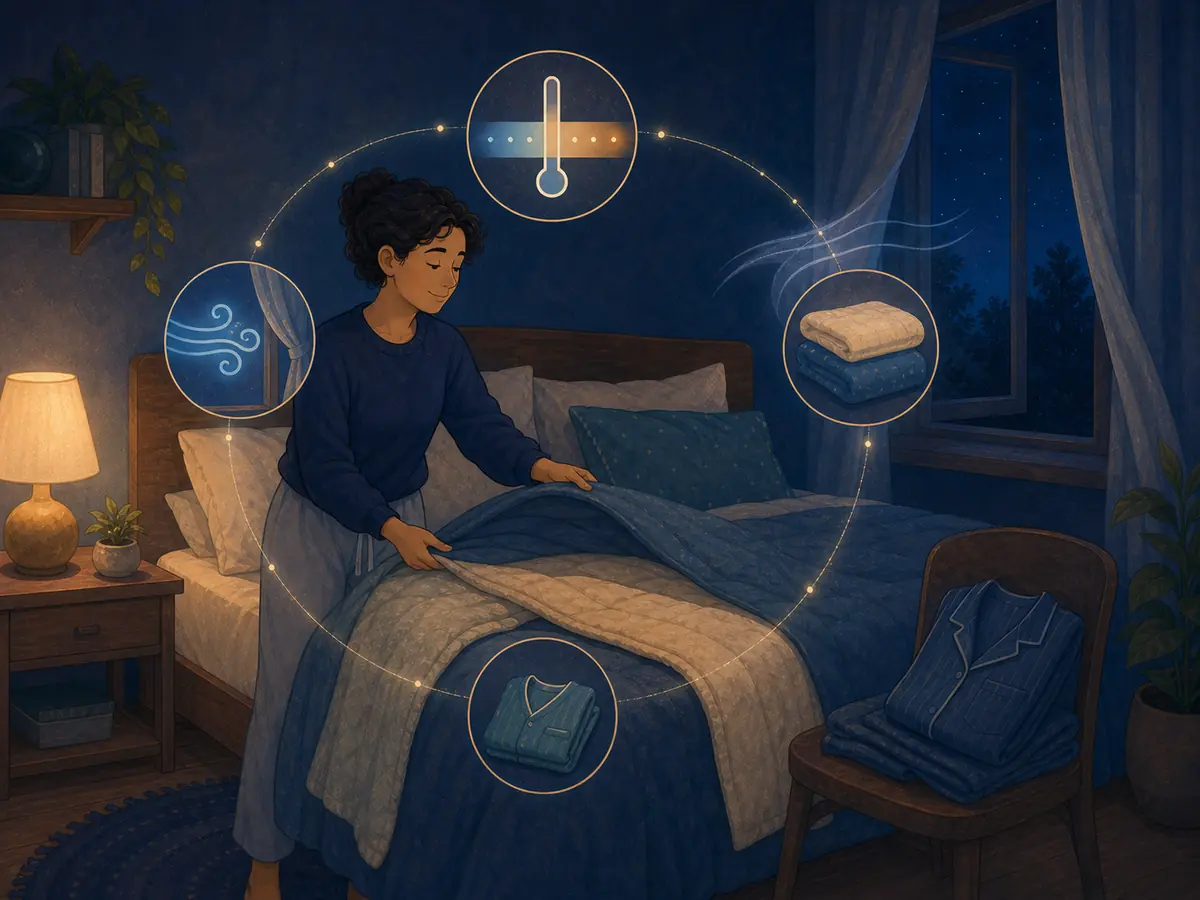
Thermal comfort matters more for sleep than hitting one number on a thermostat.
Room temperature, airflow, humidity, mattress, sleepwear and bedding work together. Excess heat or cold can disturb sleep, but comfortable conditions differ between people.
If heat or cold wakes you, change one thing: a bedding layer, sleepwear, ventilation or a small room adjustment. Compare several nights.
Noxuma must not grade a night against one universal ideal temperature.
Sources Thermal environment and sleep review
Reviewed:
There is no single best sleep position
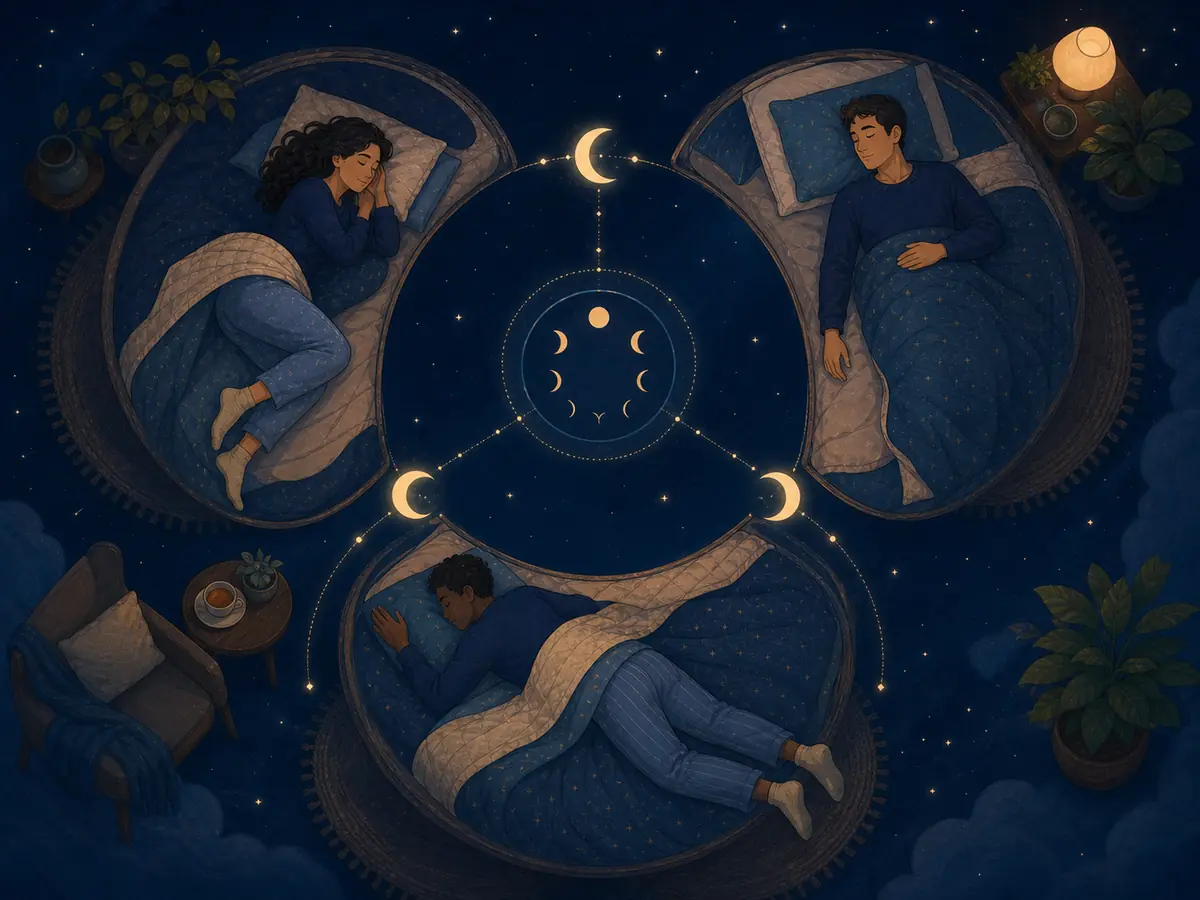
For a healthy adult, comfort, easy breathing and waking without pain matter most.
Side sleeping may reduce snoring or position-dependent breathing events for some people. The left side and upper-body elevation may help night-time reflux symptoms. Stomach sleeping may strain the neck or lower back for some, but there is no universal winner.
If you are addressing a specific problem, change position for several nights and note comfort, pain, snoring and how you feel in the morning.
Persistent pain, breathing pauses, gasping or severe daytime sleepiness should be discussed with a healthcare professional.
Noxuma must not claim which position you slept in unless the active sensor measures it reliably. This card does not cover infant sleep or specific pregnancy guidance.
Sources Cochrane review of positional therapy for OSA · Evidence-based consensus for night-time reflux
Reviewed:
Sleep through the year
How light and temperature across the seasons affect falling asleep and waking up.
Spring light arrives earlier
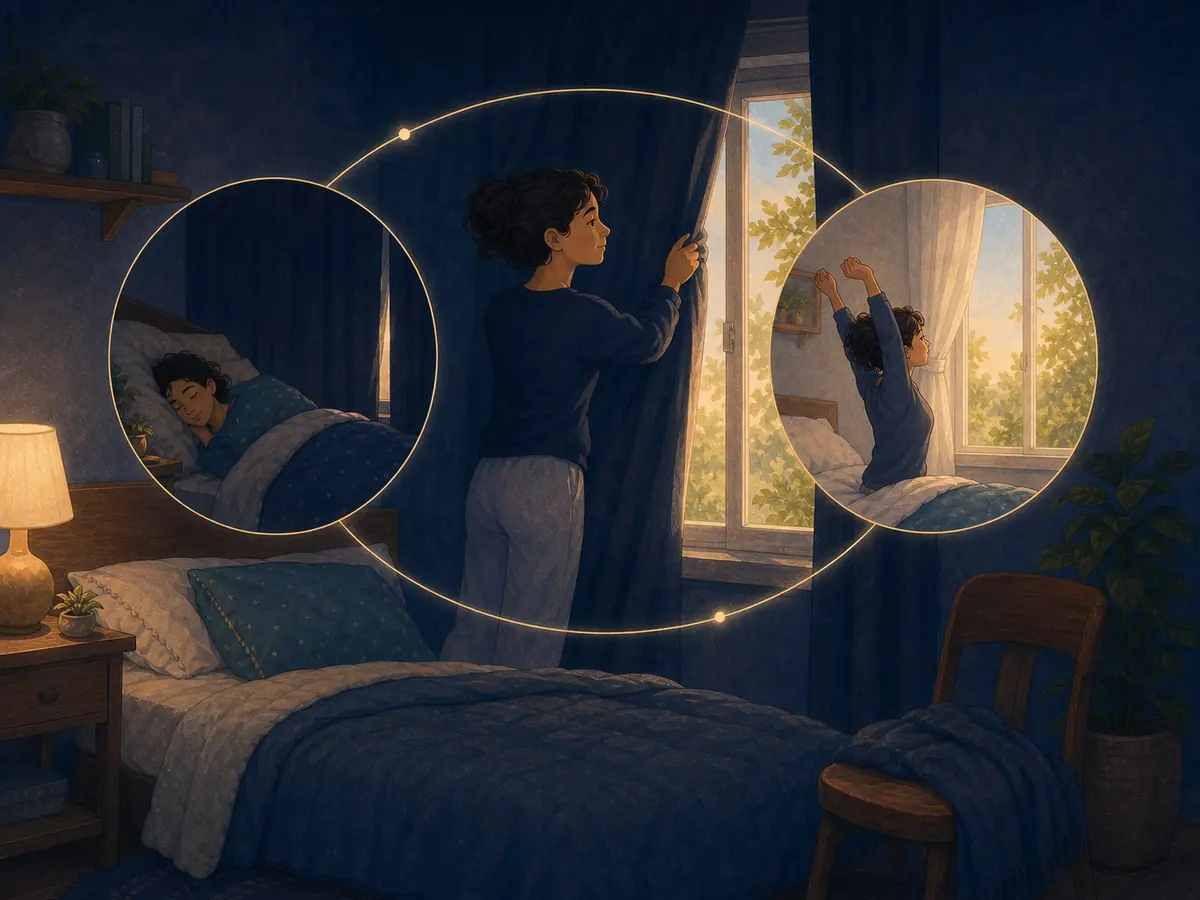
Earlier sunrise may shift waking, while evening light can delay sleepiness.
Light is an important timing signal for the body clock. Its timing matters more than the name of the season itself.
If morning light wakes you too early, improve blackout. After your planned wake time, seek daylight instead.
The card does not know the actual light in your bedroom or your location and must not claim light caused a specific awakening.
Sources NHLBI sleep/wake cycle
Reviewed:
Summer nights: light and heat
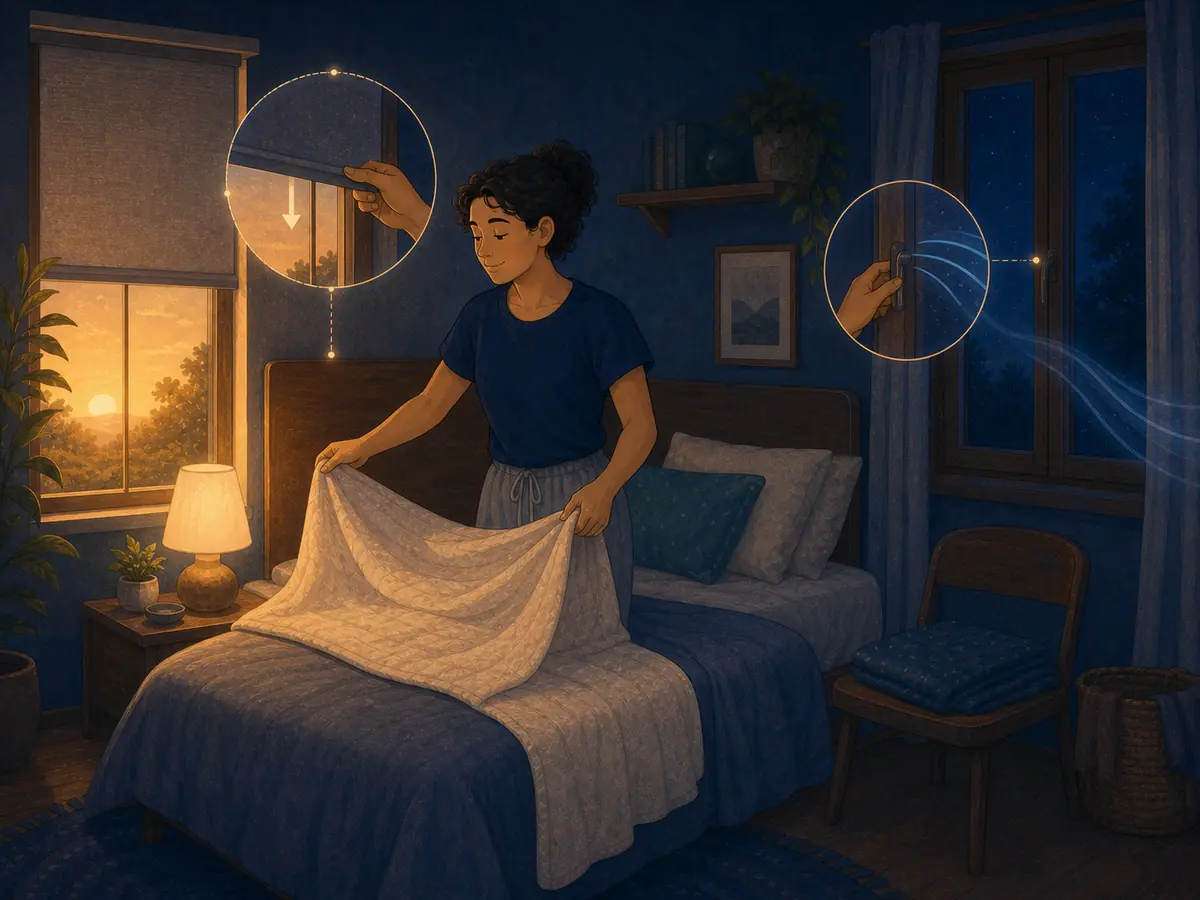
A long evening and a warm bedroom are two different influences. Adjust them separately.
Late light can delay sleepiness and excess heat can increase wakefulness. Outdoor weather does not reveal the actual temperature or light in your bedroom.
For one week, dim evening light or improve blackout. Address warmth separately with lighter bedding, daytime shading and ventilation when it is cooler outside.
Without a room sensor, Noxuma must not claim that heat caused an awakening.
Sources Seasonal sleep review · Thermal environment review
Reviewed:
Autumn brings darker mornings

Darker mornings may make waking harder. A regular time and daylight help maintain your rhythm.
The body clock responds to the light-dark cycle. Schedule changes, less time outdoors and a clock change may matter more than cooler weather itself.
After waking, go outdoors or seek daylight when possible. Before a clock change, shift your schedule gradually over several days.
If mood or daily functioning worsens markedly or persistently, do not look for an explanation only in a sleep tracker.
Sources AASM daylight saving time advisory
Reviewed:
Winter mornings need light
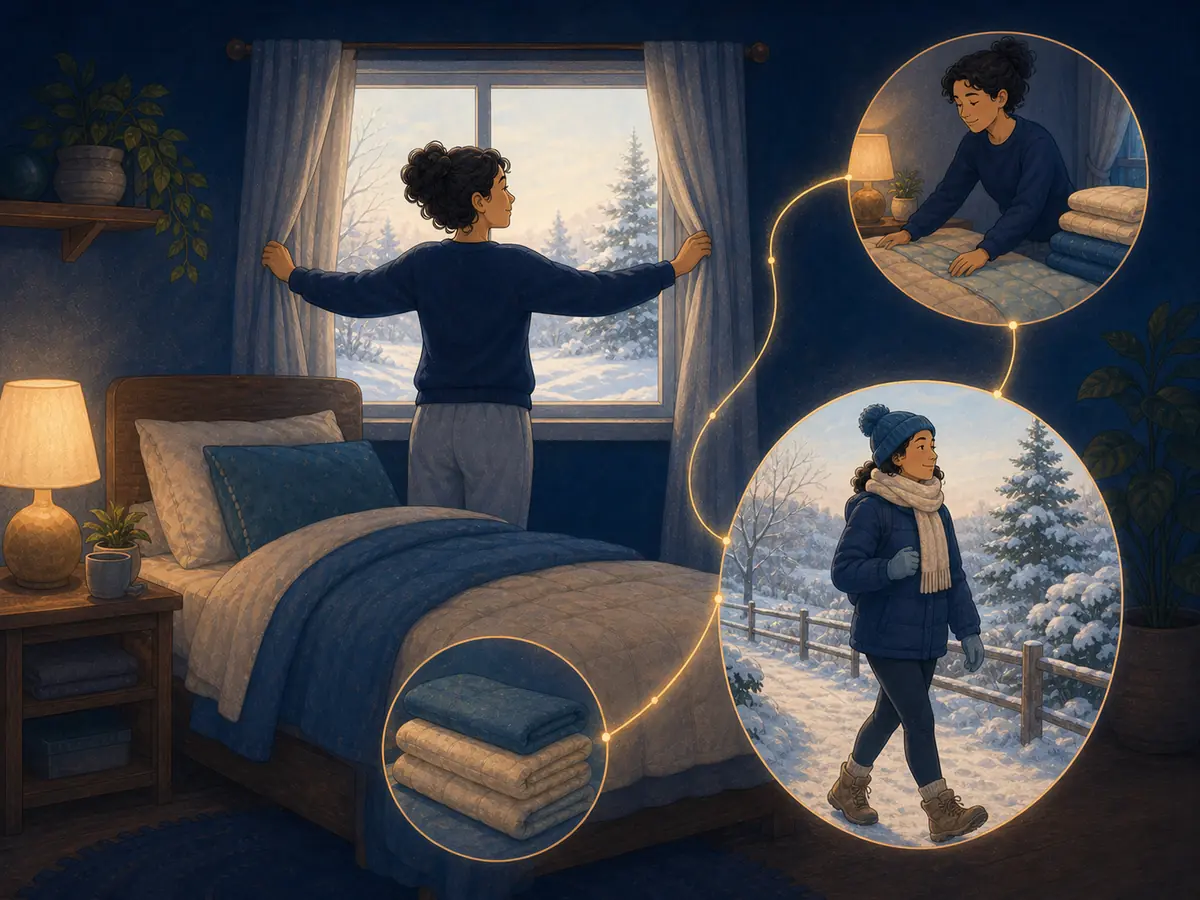
Short days change both light exposure and daily routine. A regular morning and outdoor time can help.
In winter, people often spend less time outdoors and change their activity and schedule. These changes can affect sleep timing. A cooler bedroom does not mean being uncomfortable under the covers.
Seek daylight after waking and spend time outdoors during the day when possible. Adjust bedding and layers for comfort without overheating.
The card must not promise that light or temperature alone will solve persistent sleep problems.
Sources NHLBI sleep/wake cycle
Reviewed:
When the app data is not enough
Situations where you should set the graph aside and talk to a healthcare professional.
When the data is not enough

An app can reveal a pattern, but it should not decide a diagnosis or treatment.
Consumer data can support a conversation with a clinician, especially when you have several nights and short notes. It cannot by itself confirm the cause of insomnia, excessive sleepiness, breathing problems or unusual behavior during sleep.
For persistent problems, prepare several nights of history, how you felt in the morning, daytime impact and any circumstances or substances that may have affected sleep.
Seek professional help when a problem persists or affects daily life, safety or breathing.
A normal-looking app result does not rule out a sleep disorder.
Sources AASM consumer sleep technology position statement
Reviewed:
Method and sources
The content draws on publicly available expert material (including the American Academy of Sleep Medicine and peer-reviewed studies in PubMed Central) and on the app’s current behavior and privacy design. We link to the original institution or primary text wherever possible, not to secondary marketing articles. Words such as estimated, possible and may are deliberate — they describe the limits of consumer measurement. Expert review: 2026-07-14.
Try Noxuma Sleep
Noxuma Sleep is a free sleep-tracking app that uses your phone's microphone. It works on its own; the Sleep Phaser lamp is an optional companion.

